 By SmartWriteX Editor Team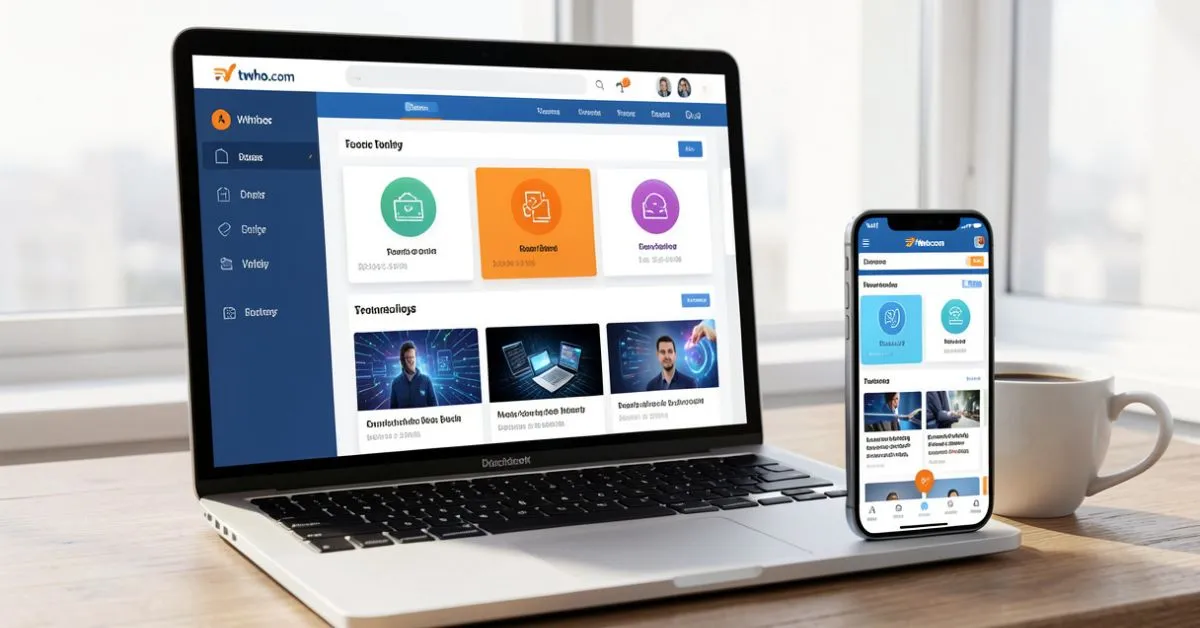
Finding reliable technology platforms can feel overwhelming. With thousands of websites claiming to offer the best tech news, tools, or resources, knowing which ones deserve your time matters more than ever.
Trwho.com tech is a technology-focused platform that provides users with tech-related content, resources, and information across various digital topics. The website aims to serve as a resource hub for people seeking technology news, guides, reviews, or educational material in the digital space.
Many readers ask whether new tech platforms are worth exploring, especially when established names already dominate the space. Understanding what makes a platform unique, safe, and valuable helps you make smarter decisions about where to spend your online time.
This guide walks you through everything about this platform—what it offers, how it works, who it’s for, and what you should know before diving in.
Trwho.com tech is a technology platform offering tech content and resources. This guide covers its features, content types, safety considerations, user benefits, and honest pros and cons. You’ll learn what the platform does, who should use it, and how to get the most value from it. We also address common questions about credibility, content quality, and alternatives.
At its core, this platform functions as a technology information hub. Think of it as a digital space where tech content gets organized and shared with visitors looking for specific information.
The platform typically includes:
- Technology news and updates
- How-to guides and tutorials
- Product reviews and comparisons
- Industry insights and trends
- Educational resources for different skill levels
Real example: A user searching for “best wireless earbuds 2024” might find comparison articles, buying guides, or reviews on such platforms that help narrow down choices based on budget and features.
The website structure usually features multiple categories, making it easier to find content relevant to your interests. Whether you’re into smartphones, software, cybersecurity, or emerging tech like AI, dedicated sections help with navigation.
Most technology content platforms follow a similar operational model. Users visit the site, browse categories or use search functions, and access articles or resources.
Here’s the typical user flow:
- Landing on the homepage → Users see featured articles, trending topics, or category listings.
- Searching or browsing → Navigation menus or search bars help find specific topics.
- Reading content → Articles, guides, or reviews provide the requested information.
- Additional engagement → Some platforms offer newsletters, comment sections, or social sharing options.
The platform may generate revenue through advertising, affiliate links in product reviews, or sponsored content. This business model is standard across most free technology websites.
Understanding this helps you recognize potential bias in product recommendations and reminds you to cross-reference important buying decisions with multiple sources.
Technology platforms typically organize content into several key areas.
Current events in the tech world, product launches, company announcements, and industry changes. This content usually has a short shelf life but helps users stay informed about what’s happening now.
Step-by-step tutorials that teach specific skills or explain complex concepts in simpler terms. For instance, “How to Set Up Two-Factor Authentication” or “Understanding Cloud Storage Basics.”
Detailed examinations of tech products, from smartphones to software applications. Quality reviews include specifications, performance testing, pros and cons, and price comparisons.
Side-by-side evaluations helping users choose between similar products or services. Example: “iPhone 15 vs Samsung Galaxy S24: Which Should You Buy?”
Expert perspectives on tech trends, predictions about future developments, or critical analysis of industry decisions.
The variety helps different types of users—from beginners seeking basic explanations to tech enthusiasts wanting deep dives into specifications.
Technology platforms serve diverse audiences with different needs.
Casual tech users who want simple explanations without jargon find value in beginner-friendly guides. Someone trying to understand what “VPN” means or how to speed up their laptop fits this group.
Tech enthusiasts looking for detailed reviews, latest news, and in-depth analysis represent another core audience. These readers often compare multiple sources before making purchasing decisions.
Professionals and students researching specific topics for work or education may use such platforms as starting points. While not academic sources, they can point toward relevant concepts worth deeper investigation.
Shoppers and buyers actively researching products before purchase rely heavily on reviews and comparison content. A parent buying their teenager’s first smartphone, for instance, needs clear comparisons that highlight safety features and value.
The platform works best when users understand their purpose for visiting and use the content appropriately—as helpful information rather than the single source of truth.
Several features make technology platforms useful resources when used correctly.
Instead of searching across dozens of websites, users find multiple topics in one place. This saves time and creates a more organized research experience.
Active platforms publish new content frequently, helping users stay current with fast-moving tech developments.
Past articles remain accessible, creating a growing knowledge base. Someone researching older technology or tracking how recommendations changed over time benefits from this archive.
Quality platforms offer content for different expertise levels. Beginners aren’t overwhelmed with technical language, while advanced users can find deeper technical details.
Most technology content platforms don’t require subscriptions or payments, making information accessible to anyone with internet access.
Practical benefit: A small business owner researching “best project management software for small teams” can read multiple reviews, compare features, and check pricing—all without paying for industry reports or consultant advice.
Not all technology platforms maintain the same standards. Here’s what to watch for:
Does the platform identify who writes their content? Look for author bios that show relevant experience or expertise. Anonymous content isn’t automatically bad, but transparency builds trust.
Technology changes quickly. An article about “best antivirus software” from 2019 may contain outdated recommendations. Always check publication dates, especially for product reviews and security advice.
Many tech platforms earn money when readers purchase products through their links. This isn’t inherently dishonest, but it creates potential bias. Trustworthy platforms disclose these relationships clearly.
Never make significant purchases or security decisions based on a single source. If you’re buying a $1,000 laptop based on a review, check multiple platforms and professional reviews first.
Excessive pop-ups, aggressive advertising, missing contact information, or too-good-to-be-true claims suggest lower quality or potentially untrustworthy platforms.
Real scenario: A reader sees an article claiming “this $50 smartphone beats $1,000 models.” Extraordinary claims need extraordinary evidence. Check if other reputable tech sites make similar claims before believing unusual statements.
Every platform has strengths and limitations. Here’s a balanced view:
Accessibility: Free information available to anyone with internet access makes technology knowledge more democratic.
- Variety: Multiple content types and topics mean different needs get addressed in one location.
- Timely updates: Regular publishing keeps content relatively current with fast-changing technology.
- Practical focus: Most content aims to help readers solve problems or make decisions rather than purely theoretical discussion.
- Quality variation: Not all articles maintain the same depth or accuracy. Some may be rushed to capitalize on trending topics.
- Potential bias: Revenue models based on affiliate links or advertising can influence product recommendations.
- Surface-level coverage: Some topics get simplified to the point where important nuances disappear.
- Lack of credentials: Unlike academic or professional publications, many tech platforms don’t require formal qualifications from writers.
Understanding these trade-offs helps you use the platform appropriately—as a helpful starting point rather than the final authority on complex decisions.
Smart users approach technology platforms strategically.
Let platform content introduce topics, identify key terms, and point you toward what matters. Then dig deeper with specialized sources for important decisions.
Before acting on advice—especially for purchases or security measures—check what other reputable platforms say. Look for consensus among several sources.
Always verify when content was published. Technology advice older than 12-18 months may need verification against current options.
Headlines are designed for clicks. The article body often contains important nuances or limitations not reflected in attention-grabbing titles.
If an article makes specific technical claims (speeds, capacities, performance metrics), see if the platform cites sources or testing methodology. Vague claims without evidence deserve skepticism.
Practical application: You’re researching password managers. Read reviews on the platform, but also check security-focused websites, professional technology publications, and user reviews on independent platforms before choosing where to store your passwords.
No single platform meets every need. Consider these complementary sources:
Professional tech publications like Wired, The Verge, or Ars Technica offer journalistic standards and deeper investigation for major stories.
YouTube tech channels provide visual demonstrations especially helpful for understanding how products look and function in real use.
Reddit communities like r/technology or product-specific subreddits offer user experiences and unfiltered opinions from actual owners.
Manufacturer websites provide official specifications and support documentation directly from the source.
Academic sources deliver research-backed information for users needing verified, peer-reviewed content.
Different sources serve different purposes. Technology platforms offer accessibility and breadth, while specialized sources provide depth and verification.
The real value of any technology platform comes from how you use it.
Treat content as information, not instruction. An article about “the best smartphone” reflects one perspective at one moment. Your needs, budget, and priorities might lead to different conclusions.
Develop critical reading habits. Ask yourself: Who wrote this? When? What’s their expertise? Do they have financial incentives? What evidence supports their claims?
Build a diverse information diet. Just as nutritionists recommend varied foods, information literacy benefits from multiple sources with different strengths and perspectives.
Technology moves quickly. Today’s cutting-edge recommendation becomes tomorrow’s outdated advice. Develop the habit of checking dates and seeking current information for time-sensitive topics.
Your experience matters too. If a platform consistently provides helpful, accurate information over time, it earns more trust. If you notice errors or misleading content, reduce your reliance on that source.
Technology platforms serve an important role in making tech information accessible to everyday users. Whether you’re troubleshooting a problem, researching a purchase, or learning something new, these resources can provide helpful starting points.
The key is approaching them wisely—with appropriate skepticism, verification habits, and understanding of their limitations.
Use trwho.com tech and similar platforms as tools in your information toolkit, not as replacements for careful research on important decisions. Combine their accessibility and breadth with the depth and verification of specialized sources.
Technology should empower you, and quality information is the foundation of empowerment. Choose your sources thoughtfully, read critically, and never stop asking questions.
Ready to explore more smart technology insights? Check out our other guides on [evaluating tech sources] and [making better technology purchases] at SmartWriteX, where we help you navigate the digital world with confidence.
Trustworthiness depends on how you use the content. Always check author credentials, publication dates, and cross-reference important information with established tech publications. Use it as a starting point, not your only source for major decisions.
Each platform has its own focus—some prioritize beginner guides, others offer deep technical analysis. Evaluate based on content quality, update frequency, and how well it matches your needs.
The best choice depends on your technical level and what you’re trying to learn or accomplish.
Approach reviews critically. Look for disclosed affiliate relationships, detailed testing methods, and honest pros and cons. Reviews without any negatives may lack balance.
Always compare recommendations across several platforms before making expensive purchases.
Update frequency varies by section. News updates daily, while guides may refresh quarterly. Always check publication dates on individual articles.
For time-sensitive topics like product reviews or security advice, only trust recently published content.
Yes, most technology platforms like this offer free access to all content. Revenue typically comes from advertising and affiliate links rather than subscriptions.