
 By SmartWriteX Editor Team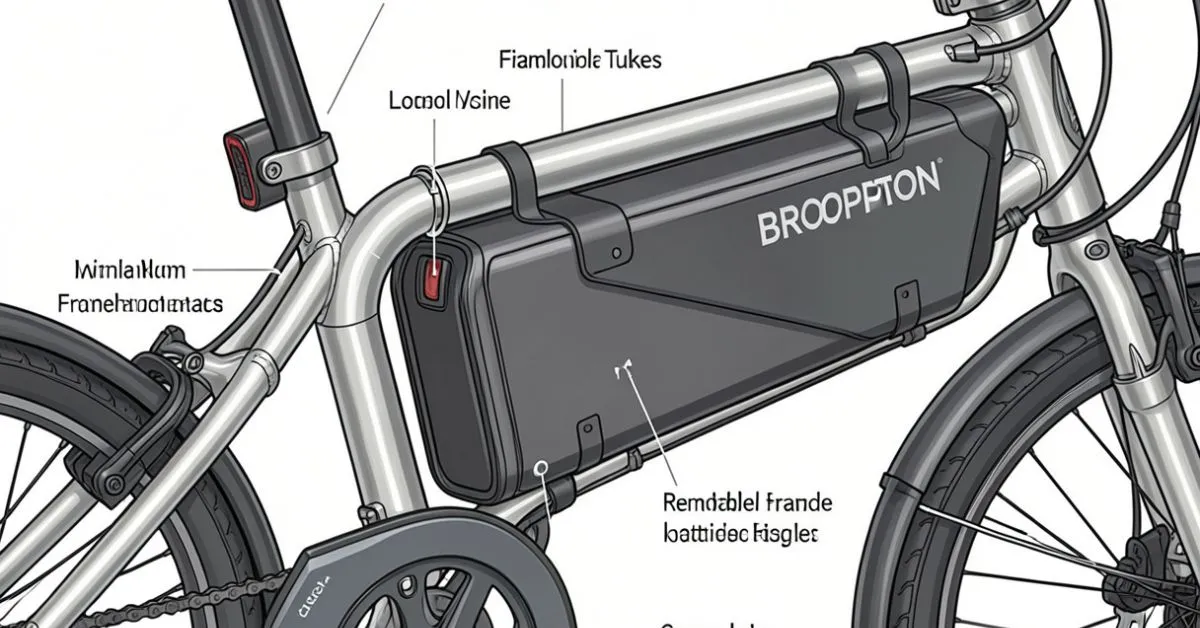
Brompton has been making folding bikes since 1975, but the brand isn’t stuck in the past. From electric motor systems to titanium frames and smart accessories, the London-based company continues pushing boundaries in urban mobility tech.
Whether you’re a daily commuter or just curious about where bike technology is heading, understanding what Brompton is doing matters. These innovations often set trends that other brands follow.
What is Brompton technology? Brompton technology refers to the engineering innovations, materials, design systems, and smart features used in Brompton folding bicycles. This includes their patented folding mechanism, lightweight frame materials like titanium, electric assist systems, and connected accessories designed for urban transportation.
Brompton continues innovating with lighter materials, improved electric bike systems, smart accessories, and sustainability efforts. Recent updates include titanium component expansions, refined Electric C Line models, and partnerships with tech companies for connected urban mobility solutions.
Brompton’s electric bike technology has come a long way since the first Electric model launched in 2017.
The current Electric C Line represents their third generation of e-bike design. The motor sits in the front wheel hub, delivering smooth power up to 15.5 mph in the US market.
What makes this different from other e-bikes?
The battery pack removes completely in seconds. You can take it to your desk to charge while your bike stays folded in the corner. No hunting for outdoor outlets or leaving expensive equipment exposed.
The latest 2024 version improved range to roughly 35-50 miles depending on terrain and assist level. That covers most American commutes twice over.
Real example: A Chicago commuter can ride from Lincoln Park to the Loop (about 6 miles), fold the bike, take it on the L during rush hour, then ride the last mile to their office—all on one charge with power to spare.
Brompton also updated their motor control system. The four-level assist adjusts more smoothly now, without the jerky feeling some early electric folders had.
Brompton expanded their titanium options significantly in recent years.
Traditional Brompton frames use steel. It’s strong and gives a smooth ride, but it’s heavy. Their standard bike weighs around 25 pounds.
The Brompton T Line changes that equation. Using titanium for the frame and fork, plus carbon components, brings weight down to just 16.5 pounds.
Why does this matter?
When you’re carrying a folded bike up subway stairs or into a third-floor apartment every day, 8 pounds makes a huge difference.
Titanium also resists corrosion better than steel. In cities that salt roads in winter (think Boston, Minneapolis, or Toronto), this extends the bike’s life considerably.
The trade-off is price. A T Line costs significantly more than a steel Brompton. But for serious urban riders, the weight savings justify the investment.
Brompton also introduced titanium rear frames as an upgrade option for their standard bikes. This gives a middle-ground choice—you get some weight reduction without the full T Line price.
Brompton isn’t trying to make a “smart bike” with screens and GPS built into the frame. Instead, they’re creating intelligent accessories that work with the bike.
Their Electric bike includes a small mount and charging port for your phone. Simple, but it means your device stays powered for navigation without adding bulk.
In 2023, Brompton partnered with several bike-share and micro-mobility apps. This allows their bikes to integrate with urban transportation planning tools.
Example: In London and New York, some transit apps now include Brompton hire options alongside subway and bus routes, treating folding bikes as part of the connected transport network.
Brompton also developed improved lighting systems that mount cleanly to their front block. These USB-rechargeable lights integrate with the bike’s design rather than looking like afterthoughts.
The company released a new range of bags with RFID-blocking pockets and water-resistant materials developed with outdoor gear specialists. These aren’t tech for tech’s sake—they solve real problems urban riders face.
Some of the most interesting brompton technology news happens in their London factory, not on the showroom floor.
Brompton invested heavily in robotic brazing systems. These machines join frame tubes with incredible precision, creating stronger joints while reducing manufacturing time.
This matters because Brompton still makes every bike in the UK, unlike competitors who moved production overseas. Better automation lets them compete on price while maintaining quality control.
They also implemented a new powder coating process that’s more environmentally friendly. The finish lasts longer and comes in more color options without using harmful solvents.
Sustainability tech includes a frame recycling program. Damaged Brompton frames can now be returned, broken down, and the materials reused. Steel and titanium both recycle well, making this more viable than with carbon fiber bikes.
Brompton’s folding system is their core patent, but they keep improving it.
Recent changes include:
Improved hinges with better tolerances. The bike folds just as small but feels tighter when riding. Less flex means better power transfer when you’re pushing hard up a hill.
New catch design for the rear frame. It’s easier to engage with one hand, which helps when you’re juggling a coffee and trying to unfold your bike.
Revised rear wheel clips that hold the folded package together more securely. Older models sometimes popped open if you set them down too hard. The new version stays put.
These seem like small changes, but they add up. A bike you fold and unfold twice a day benefits enormously from smoother, more reliable mechanisms.
Brompton is working with city planners and transport authorities in interesting ways.
In San Francisco, they partnered with BART (Bay Area Rapid Transit) to create dedicated folding bike zones on trains during peak hours. Brompton bikes meet the size requirements to count as luggage rather than full bikes.
Transport for London worked with Brompton on storage solutions at major stations. Secure lockers sized specifically for folded Bromptons appeared at key interchange points.
These partnerships influence Brompton’s technology development. Feedback from transit authorities shapes decisions about folded dimensions, weight limits, and carrying handle placement.
In Toronto, a pilot program tested Brompton bike-share at suburban transit hubs. Commuters could rent a folding bike for the “last mile” from the station to their workplace, then fold it and leave it at a secure pickup point.
This kind of integration shows how folding bike technology fits into larger urban mobility systems.
Based on patents and industry reports, here’s what might be in Brompton’s pipeline:
Lighter electric systems: Battery technology improves every year. Expect future Brompton electrics to gain range without adding weight.
Modular components: Some patents suggest snap-in accessories that change the bike’s purpose quickly—from commuter setup to touring configuration in minutes.
Improved materials: Carbon fiber components may expand beyond the T Line. The challenge is maintaining Brompton’s repairable design philosophy while using materials that don’t fix easily.
Smart connectivity: Not flashy displays, but simple integrations like theft alerts or maintenance reminders through a phone app.
Brompton tends to move carefully. They don’t chase every trend. When they add technology, it usually solves a specific problem their riders face.
| Feature | Brompton | Typical Competitor |
|---|---|---|
| Motor placement | Front hub | Rear hub or mid-drive |
| Battery location | Removable bag | Integrated frame |
| Frame material options | Steel, titanium, mixed | Aluminum, some steel |
| Folded size | 23″ × 22″ × 10″ | Usually larger |
| Manufacturing location | London, UK | Often Asia |
| Repairability | High (standardized parts) | Varies widely |
This table shows Brompton makes different choices than most competitors. Not better or worse automatically—just optimized for different priorities.
How do these innovations actually change daily life?
For commuters: The electric system makes hills and headwinds manageable without arriving sweaty. The titanium option means carrying the bike upstairs doesn’t leave you exhausted before work starts.
For multimodal travelers: Better folding mechanisms and lighter weight make combining bikes with trains, buses, or cars smoother. You’re more likely to use the bike regularly when the friction points disappear.
For cities: More efficient folding bikes mean less street parking needed, less storage space required at destinations, and easier integration with public transit.
A Brompton owner in Seattle can bike from home to a coffee shop, fold the bike and bring it inside (taking up about the same space as a large dog), then continue to a bus stop, ride the bus downtown with the folded bike, and bike the final stretch to work.
That trip would be complicated with a regular bike requiring a rack or lock at each stop.
Brompton continues leading the folding bike industry through thoughtful innovation rather than flashy gimmicks. Their focus on practical urban mobility—lighter materials, smarter electric systems, and refined folding mechanisms—addresses real problems city riders face daily.
The latest brompton technology news shows a brand balancing tradition with progress. Whether it’s titanium frames cutting weight, improved electric batteries extending range, or partnerships integrating bikes into transit networks, each advancement serves a clear purpose.
For urban commuters, these technologies aren’t just specs on paper. They translate into easier daily routines—carrying bikes upstairs without strain, arriving at work fresh after hilly rides, and seamlessly combining cycling with public transit.
As cities grow denser and sustainable transport becomes essential, Brompton’s engineering choices offer a blueprint for practical urban cycling. The innovations happening now will likely shape how millions navigate cities in the coming years.
Stay informed, choose the technology that matches your actual needs, and remember—the best bike is the one you’ll actually ride every day.
How long does a Brompton electric battery last?
A Brompton electric battery lasts 35-50 miles per charge, depending on assist level and terrain. The battery lifespan is 500-1000 charge cycles (about 3-5 years of regular use) before capacity drops noticeably.
Are Brompton titanium bikes worth the extra cost?
If you carry your folded bike daily—up stairs or on public transit—the 8-pound weight savings justifies the cost. For occasional folding, steel models offer better value. Weight matters most when handling the folded bike, not while riding.
Can you add electric power to a regular Brompton?
No official retrofit kit exists. Electric models use specific frames designed for motor integration. Third-party kits void warranties and may damage the folding mechanism. Buy an Electric model for proper engineering and support.
How often does Brompton update their technology?
Major updates happen every 2-3 years, with minor improvements annually. Recent milestones include the Electric (2017), T Line (2022), and Electric C Line (2024). Older models stay compatible with most new parts.
What makes Brompton’s folding mechanism better?
The three-fold design creates a carry-on sized package in 10-20 seconds. It stands on its own when folded, includes roller wheels, and has no loose parts. The mechanism is also easy to repair at most bike shops.