
 By SmartWriteX Editor Team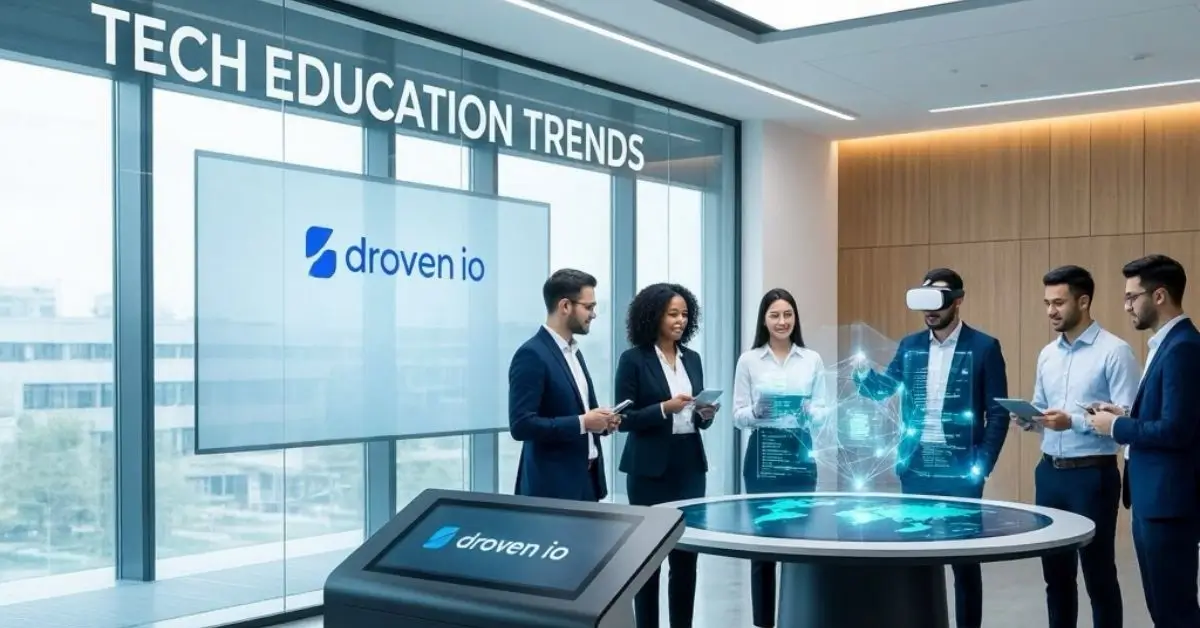
Technology has completely changed the way people learn, teach, and build skills. A few years ago, most classrooms depended heavily on textbooks, whiteboards, and traditional lectures. Today, digital learning platforms, artificial intelligence tools, and interactive education systems are becoming part of everyday learning experiences in schools, colleges, and workplaces.
This growing shift is why many people are searching for droven io tech education trends. They want to understand how modern technology is influencing education, what trends are becoming important, and how students and teachers can benefit from these changes.
The phrase droven io tech education trends refers to modern developments in educational technology that improve how people learn, access information, and interact with digital learning systems. These trends include AI-powered learning tools, virtual classrooms, online skill platforms, personalized education systems, and interactive digital teaching methods designed to make learning faster, more flexible, and more accessible.
Education technology is no longer limited to online video classes. It now includes smart learning systems that adapt to student performance, cloud-based collaboration tools, virtual simulations, and AI systems that help teachers manage classrooms more effectively.
For students in the United States, Canada, and the United Kingdom, these changes are becoming increasingly important because schools and employers now expect stronger digital learning skills than ever before.
Modern education technology trends focus on AI learning tools, virtual classrooms, personalized education, mobile learning, and digital collaboration. These tools make learning more flexible, interactive, and accessible for students and teachers. However, technology still works best when combined with strong teaching methods and human support.
The rapid growth of digital learning did not happen by accident. Several major changes pushed schools, universities, and businesses toward modern learning technology.
One major reason is accessibility. Traditional learning often depends on location and schedules. Online platforms allow students to learn from almost anywhere. This flexibility became especially important when remote learning expanded across the United States during recent years.
Another reason is skill demand. Technology companies and modern workplaces now expect employees to understand digital tools, online collaboration systems, and virtual communication platforms. Education systems have responded by integrating more technology into daily learning.
Cost is also a factor. Digital platforms can reduce printing costs, improve content sharing, and allow schools to update learning materials faster than traditional textbooks.
Most importantly, modern students are already comfortable with technology. Many younger learners prefer interactive systems over static lectures because digital platforms feel more engaging and easier to access.
Several important trends are shaping the future of learning. Some are already common in schools, while others are still developing rapidly.
Artificial intelligence is becoming one of the most important parts of modern education.
AI systems can:
- Recommend personalized lessons
- Track student performance
- Identify weak learning areas
- Suggest faster study methods
For example, some learning platforms automatically adjust quiz difficulty depending on how well a student performs. This creates a more personalized experience instead of giving every student the exact same material.
AI also helps teachers save time. Automated grading tools and smart classroom systems reduce repetitive tasks and allow teachers to focus more on actual instruction.
This is one of the most discussed topics connected to droven io tech education trends because AI is expected to influence nearly every area of education over the next decade.
Online education platforms have grown far beyond simple video courses.
Modern platforms now include:
- Interactive assignments
- Live virtual classes
- Group collaboration
- Real-time feedback
- Mobile learning access
Platforms used in the US market often support both academic learning and professional skill development. Many workers now use online platforms to improve career skills without attending traditional college programs full-time.
This flexibility is especially valuable for adults balancing jobs, family responsibilities, and education goals.
Traditional classrooms often move at one pace for everyone. Technology allows learning systems to adapt based on individual performance.
Students who learn quickly can move ahead faster, while others can spend more time reviewing difficult topics.
Personalized learning systems may include:
- Adaptive quizzes
- Customized lesson paths
- AI-generated recommendations
- Performance tracking dashboards
These systems help reduce frustration for both advanced learners and students who need additional support.
Virtual learning is now part of mainstream education rather than a temporary solution.
Many schools and universities now combine:
- In-person instruction
- Online assignments
- Virtual meetings
- Cloud collaboration tools
Hybrid learning models provide flexibility while still maintaining teacher interaction.
For example, some US colleges now allow students to attend lectures remotely while completing group work online through collaboration platforms.
One major challenge in education has always been keeping students engaged. Modern education technology attempts to solve this problem through interactivity and flexibility.
Interactive quizzes, gamified learning systems, and multimedia lessons make learning feel less repetitive.
Students can now:
- Watch animated explanations
- Join live discussions
- Practice skills through simulations
- Access lessons on phones or tablets
This is particularly effective for younger learners who are already familiar with digital environments.
Gamification is also becoming more common. Some platforms reward students with progress badges, achievement systems, or performance tracking to encourage participation.
Cloud systems have become essential for modern learning environments.
Instead of storing everything on local computers, cloud platforms allow students and teachers to access files from almost anywhere.
Benefits include:
- Easier collaboration
- Automatic backups
- Faster content sharing
- Remote access
- Cross-device compatibility
Cloud technology also supports virtual teamwork, which is increasingly important in modern workplaces.
Students now commonly collaborate on shared projects online, similar to how professional teams work in technology companies.
Although digital education offers many benefits, there are still important challenges.
Not every student has access to:
- High-speed internet
- Modern laptops
- Reliable devices
This remains a serious issue in some areas of the United States and other countries.
Schools and governments continue working to improve digital access, but gaps still exist.
Too much screen time can reduce focus and create mental exhaustion.
Long virtual classes sometimes decrease attention compared to in-person learning.
Because of this, many educators now combine digital learning with offline activities and group discussions.
Education platforms collect large amounts of student data.
Schools must carefully manage:
- Student privacy
- Data security
- Platform safety
Parents and institutions increasingly expect stronger protection standards from education technology providers.
Corporate training has also changed significantly.
Companies now use digital learning systems for:
- Employee onboarding
- Skill development
- Compliance training
- Leadership programs
This allows workers to learn at flexible times without attending expensive in-person workshops.
Many businesses also use AI systems to recommend training courses based on employee performance and career goals.
The future of digital learning will likely become even more interactive and personalized.
AI-powered tutors may provide real-time learning support outside classroom hours.
These systems could answer questions, explain difficult concepts, and create personalized practice exercises instantly.
Virtual reality may become more common in:
- Science education
- Medical training
- Engineering programs
- Technical simulations
Students could practice real-world scenarios in safe digital environments.
Employers increasingly value practical skills over traditional credentials alone.
This shift may increase demand for:
- Micro-certifications
- Online technical training
- Career-focused education platforms
Many modern learners now prioritize job-ready skills that can be learned faster online.
| Feature | Traditional Learning | Modern Digital Learning |
|---|---|---|
| Learning Pace | Same for everyone | Personalized |
| Access | Classroom dependent | Remote access available |
| Collaboration | Mostly in-person | Online and offline |
| Content Updates | Slower | Faster updates |
| Flexibility | Limited schedules | Learn anytime |
Even with advanced AI tools, teachers remain extremely important.
Technology can improve access and organization, but human teachers still provide:
- Emotional support
- Motivation
- Real-world guidance
- Classroom leadership
- Critical thinking development
The best education systems combine strong teaching with smart technology instead of replacing teachers completely.
The rise of droven io tech education trends shows how quickly learning environments are evolving. AI tools, cloud platforms, virtual classrooms, and personalized learning systems are changing how students access education and develop skills.
At the same time, technology alone is not enough. Strong teaching, balanced screen time, and equal digital access remain critical for long-term success.
The future of education will likely combine smart technology with human-centered learning approaches that make education more flexible, practical, and accessible for people worldwide.
The term refers to modern technology developments shaping education, including AI learning tools, online classrooms, personalized education systems, and digital learning platforms.
AI helps personalize learning by tracking student performance and adjusting lessons based on progress. It also helps teachers save time through automated grading and classroom management tools. However, AI still works best alongside human instruction and guidance.
Yes, online learning platforms can be highly effective when they provide structured lessons, interaction, and practical learning support. Many students benefit from flexible schedules and the ability to learn at their own pace.
The biggest challenges include internet access inequality, screen fatigue, and student privacy concerns. Schools and technology providers continue working to improve these areas while expanding digital learning access.
Virtual classrooms will likely continue growing, but fully replacing traditional schools is unlikely. Many students still benefit from in-person interaction, social learning, and classroom structure.