 By SmartWriteX Editor Team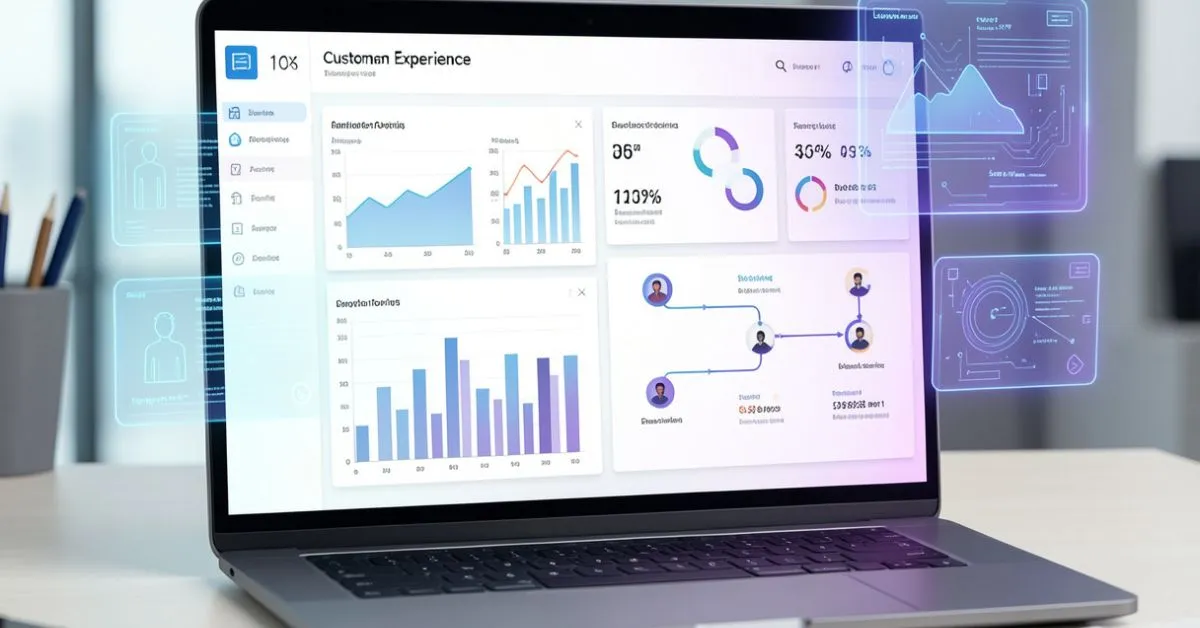
Customer experience can make or break a business today. Companies lose millions every year because they don’t understand what their customers actually need or want. The gap between what businesses think they’re delivering and what customers experience keeps growing.
This is where smart technology steps in.
BinusCX is a customer experience platform designed to help organizations understand, measure, and improve how people interact with their services. It combines data analytics, feedback systems, and automation tools to create better experiences across every touchpoint.
In this guide, you’ll learn what BinusCX actually does, how it works, who uses it, and whether it might be right for your organization. We’ll skip the marketing talk and focus on practical information you can use.
BinusCX is a technology platform that helps businesses track and improve customer experience through data collection, analysis, and actionable insights. It’s used mainly by educational institutions and service-based organizations to understand customer journeys and make informed improvements.
BinusCX is a customer experience management platform developed to help organizations collect feedback, analyze customer interactions, and improve service delivery. The platform focuses on creating seamless experiences by connecting different touchpoints in the customer journey.
At its core, the platform works as a central hub where businesses can:
- Gather feedback from multiple channels
- Track customer satisfaction in real-time
- Identify pain points in the service process
- Make data-driven decisions about improvements
- Measure the impact of changes over time
Unlike generic survey tools, this platform is built specifically for organizations that need deep insights into complex customer journeys.
The platform runs on a combination of data collection tools, analytics engines, and reporting dashboards.
When a customer interacts with a business, BinusCX can capture that interaction through various methods. This might be a quick survey after a service call, feedback through a mobile app, or data from a website visit.
All this information flows into a central system where it gets organized and analyzed. The platform looks for patterns, identifies common issues, and highlights areas that need attention.
For example, if a university uses BinusCX, it might track student experiences from application through graduation. The system could reveal that students consistently struggle with the financial aid process. This insight helps the university focus improvement efforts where they matter most.
The technology uses cloud infrastructure, which means organizations don’t need to install complex software on their own servers. Everything runs through web browsers and mobile apps.
BinusCX doesn’t rely on just one way to gather information. It can collect feedback through:
- Email surveys
- SMS messages
- Mobile apps
- Website widgets
- In-person kiosks
- Social media integration
This variety matters because different customers prefer different communication methods. A college student might respond better to a text message survey, while a corporate client might prefer email.
The platform provides live updates on customer satisfaction metrics. Managers can log in anytime and see current trends, recent feedback, and emerging issues.
This real-time aspect helps organizations respond quickly. If satisfaction scores suddenly drop in one department, leadership knows about it immediately instead of waiting for a monthly report.
One of the stronger features is visual journey mapping. The platform can show exactly where customers are in their relationship with the organization and where problems typically occur.
Think of it like a roadmap that highlights all the bumps and detours. A retail company might discover that most customer complaints happen during the delivery phase, not at purchase. This insight changes where they invest resources.
BinusCX can be set up to automatically respond to certain situations. If a customer gives a very low satisfaction rating, the system can immediately notify a manager or trigger a follow-up process.
This automation ensures that critical issues don’t slip through the cracks.
Organizations can create reports tailored to their specific needs. Marketing might want to see trends in brand perception, while operations might focus on service delivery metrics.
The platform allows different teams to extract the data most relevant to their work.
The platform sees heavy use in educational institutions, particularly universities and colleges. These organizations have complex customer journeys involving students, parents, alumni, and faculty.
A typical university implementation might track:
- Prospective student inquiries
- Application and admission experiences
- New student orientation
- Academic support services
- Career services
- Alumni engagement
Service-based businesses also find value in the platform. Healthcare providers, consulting firms, and professional service organizations use it to understand client experiences.
The common thread is complexity. Organizations with simple, transactional relationships might not need this level of analysis. But when customer journeys span months or years and involve many touchpoints, the platform provides real value.
Consider how a mid-sized university in California implemented the platform.
Before using BinusCX, the university sent occasional surveys but had no unified view of student experience. Different departments collected their own feedback using different tools. Nobody could see the complete picture.
After implementation, they discovered something surprising. International students were satisfied with academic programs but struggled significantly with administrative processes. Language barriers and unfamiliar systems created frustration that nearly caused some students to transfer.
The university created a dedicated support team for international students, simplified paperwork, and added multilingual resources. Within one semester, satisfaction scores for this group jumped significantly.
The platform didn’t solve the problem directly, but it made the problem visible. That visibility enabled action.
Several other customer experience platforms exist in the market. Tools like Qualtrics, Medallia, and SurveyMonkey serve similar purposes but with different strengths.
| Feature | BinusCX | Generic Survey Tools | Enterprise CX Platforms |
|---|---|---|---|
| Setup Complexity | Moderate | Low | High |
| Cost Range | Mid-tier | Low to Mid | High |
| Education Focus | Strong | Weak | Moderate |
| Customization | Good | Limited | Extensive |
| Learning Curve | Moderate | Low | Steep |
BinusCX sits in the middle ground. It offers more sophistication than basic survey tools but doesn’t require the massive investment of enterprise platforms like Salesforce or Adobe Experience Cloud.
For educational institutions specifically, it often provides a better fit than generic business tools because it understands the unique aspects of student lifecycle management.
Getting started with the platform typically follows a standard pattern.
First, the organization defines what they want to measure. This means identifying key touchpoints in the customer journey and deciding what success looks like at each stage.
Next, technical setup happens. This involves integrating the platform with existing systems like student information databases, CRM tools, or communication platforms. The complexity here depends on how many systems need to connect.
Then comes the configuration phase. Organizations set up surveys, design dashboards, and create the automated workflows that will keep the system running.
Finally, there’s a launch and training period. Staff learn how to use the tools, interpret data, and act on insights.
Most organizations see initial results within 6-8 weeks, but reaching full maturity with the platform takes several months.
The platform offers several clear benefits when implemented properly.
Unified Data View: Instead of scattered feedback across different departments, everything lives in one place. This makes patterns easier to spot and insights easier to share.
Faster Problem Detection: Real-time monitoring means issues surface quickly. Organizations can fix problems before they become major crises.
Data-Driven Decisions: Instead of guessing what customers need, organizations have concrete evidence. This reduces wasted effort on improvements that don’t matter.
Better Resource Allocation: When you know exactly where problems exist, you can focus time and money where it will have the most impact.
Measurable Improvement: The platform tracks changes over time, so organizations can see whether their efforts actually work.
No platform is perfect, and BinusCX has some limitations worth noting.
Learning Curve: While simpler than enterprise tools, the platform still requires training. Staff need time to understand how to extract meaningful insights from the data.
Data Quality Dependency: The system only works well if you collect good data. Poor survey design or low response rates will produce weak insights regardless of platform capabilities.
Cost Factor: For small organizations with limited budgets, the investment might be hard to justify. The platform works best when you have enough customers and touchpoints to generate meaningful data.
Integration Challenges: Connecting with older legacy systems can sometimes be difficult. Organizations with outdated technology infrastructure might face technical hurdles.
Customization Limits: While flexible, the platform doesn’t offer unlimited customization. Some highly specialized needs might require additional development work.
Specific pricing for BinusCX typically isn’t published openly. Like most enterprise software, costs depend on organization size, number of users, and specific features needed.
Educational institutions often receive different pricing than corporate clients. Some universities report annual costs ranging from $15,000 to $50,000 depending on student population and implementation scope.
The platform usually operates on a subscription model with annual or multi-year contracts. Implementation costs come separately from ongoing subscription fees.
For organizations evaluating the platform, requesting a detailed quote based on specific needs makes more sense than relying on general estimates.
Organizations that succeed with BinusCX share some common practices.
They start with clear goals. Before implementation, they define specific metrics they want to improve and timelines for achieving results.
They invest in training. Making sure staff understand how to use the platform properly pays dividends in better data quality and more actionable insights.
They act on findings. Collecting data means nothing without follow-through. Successful organizations create processes to review insights regularly and implement changes based on what they learn.
They communicate results. When improvements happen, they share the wins with stakeholders. This builds support for continued investment in customer experience work.
They iterate constantly. The platform provides ongoing feedback, and successful users treat customer experience as a continuous improvement process rather than a one-time project.
Customer data protection matters, especially for educational institutions handling student information.
BinusCX includes standard security features like encrypted data transmission, role-based access controls, and regular security audits. The platform aims to comply with regulations like FERPA for educational institutions and GDPR for international users.
Organizations remain responsible for how they use the platform and what data they collect. Setting up proper consent mechanisms and being transparent about data use stays important regardless of platform capabilities.
Customer experience platforms continue evolving rapidly.
Artificial intelligence and machine learning are becoming more integrated into these systems. Future versions will likely offer predictive analytics that warn about potential issues before they happen.
Voice and sentiment analysis may become standard features, automatically analyzing phone calls and written feedback to detect emotional tone and urgency.
Integration with emerging communication channels will continue. As new platforms for customer interaction appear, CX tools will need to incorporate them.
For BinusCX specifically, continued development likely focuses on deeper analytics capabilities and easier integration with commonly used educational technology systems.
Choosing a customer experience platform requires honest assessment of your needs and capabilities.
It works well when you have:
- Multiple touchpoints in your customer journey
- Enough customer volume to generate meaningful data
- Budget for mid-tier software investment
- Commitment to acting on insights
- Technical capacity for integration and maintenance
It might not be the right choice if you:
- Have very simple customer interactions
- Work with small customer populations
- Need only basic survey functionality
- Lack resources to act on findings
- Have extremely limited budget
The platform serves a specific niche effectively. Understanding whether you fit that niche matters more than the features list.
Customer experience technology helps organizations understand what their customers actually experience, not just what they think they deliver.
BinusCX provides tools to collect feedback, analyze patterns, and drive improvements across complex customer journeys. For educational institutions and service organizations with the right needs and resources, it offers a practical middle ground between basic survey tools and expensive enterprise platforms.
Success depends less on the platform itself and more on how organizations use it. Clear goals, proper training, and commitment to acting on insights determine whether the investment pays off.
If you’re exploring customer experience solutions, take time to evaluate your specific situation. Request demos, ask detailed questions about integration, and talk to current users in similar industries.
The right platform makes customer experience work easier and more effective. The wrong platform just adds another underused tool to your technology stack.
Ready to explore smarter ways to understand your customers? Check out our other technology guides at SmartWriteX for insights on tools that help businesses grow and improve.
Educational institutions, universities, healthcare providers, and professional service firms benefit most from BinusCX. These organizations have complex customer journeys with multiple touchpoints over extended periods, making detailed experience tracking valuable.
Basic implementation takes 6-8 weeks, while full maturity requires 3-6 months. Timeline depends on system integrations needed and journey complexity. Organizations with clear goals and dedicated teams move faster.
Yes, It integrates with common CRM systems, student information systems, and communication tools. Modern cloud-based systems connect more smoothly than legacy systems. Technical assessment during sales identifies potential challenges.
Basic usage requires 2-4 hours of training for surveys, dashboards, and reports. Advanced features like custom analytics and journey mapping need 8-12 hours of training spread over sessions.
This includes data encryption, access controls, and audit logs. It supports FERPA for educational institutions and GDPR for European customers. Organizations remain responsible for their data collection practices and consent mechanisms.
Start by addressing high-impact problems you can solve. Communicate transparently with customers about longer-term issues you’re working on. The platform tracks improvement over time, even with gradual changes.